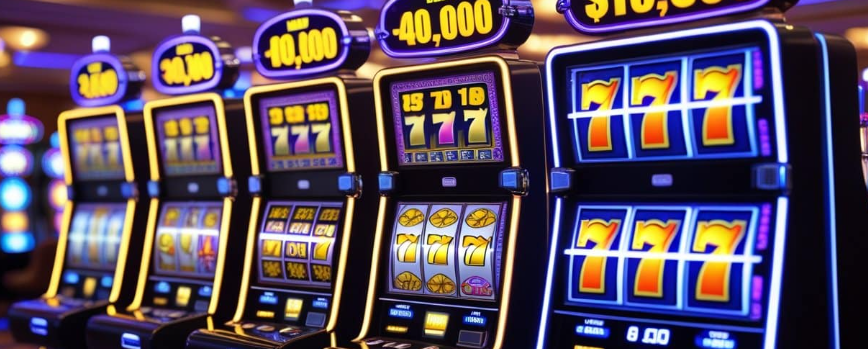

The first live casinos appeared in 2003. Today, major studios like Evolution Gaming operate 24/7 and broadcast games simultaneously to hundreds of thousands of players worldwide.
How the live room works and the link to the studio
Live tables work like a TV studio: the camera shows the roulette wheel or the blackjack table, and the player watches everything via streaming video. At the same time, you place bets in a digital interface — it records timing, limits, and available actions so the process is fast and transparent. It is important to understand that the dealer does not “see” your card directly — the dealer runs the game by the rules, and the system synchronizes the outcome and payout calculations. So, on one hand, live contact is preserved, and on the other, the convenience of online control remains. Next, it makes sense to move to the details that shape game quality.
Streaming and picture quality
The key to comfortable play is a stable video stream, because it is what builds trust in the process. In live format you are watching a real table, and any “freezes” are more irritating than in slots. That is why it is more practical to play on stable Wi-Fi or wired internet, especially if you place bets closer to the end of the timer. It is also useful to check volume and latency in advance — sometimes audio helps you perceive the pace of the deal faster. And only after setting up the video should you choose a specific table type.
A connection speed of at least 10 Mbps is recommended for a smooth live casino experience. If the stream stutters, try switching to SD quality in the game settings — most platforms offer both HD and SD options.
Betting timers and dealing pace
Live games almost always run on a timer: you have limited time to bet, double, or split a hand. This creates discipline, but it requires calm — impulsive decisions in the last seconds most often lead to mistakes. Beginners benefit more from choosing tables with a gentler pace and not chasing the “fastest roulette.” If you play in the evening in your local time, keep in mind that player activity can increase, and the pace can feel faster due to the flow of bets. The next step is to understand which games appear most often in live format.
Which games are most common in live format
The live room is usually built around the classics: roulette, blackjack, baccarat, and poker variations. Sometimes there are also show games with hosts, where atmosphere matters as much as math. The difference between them is speed, level of control, and how “tense” a session feels: roulette is simpler in actions, while blackjack requires more decisions. For the player, this is convenient: you can pick a format to match your mood — from a calm “one spin” to a strategic series of hands.
Blackjack is the only casino game where correct basic strategy brings the house edge below 0.5%. That makes it one of the most “manageable” games in the live format — your decisions genuinely matter.
Live and RNG games: comparison within Cherry Gold
To choose consciously, it helps to compare live tables with games where the outcome is determined by a random number generator. Inside Cherry Gold, these are two different feelings: live gives “presence,” while RNG gives maximum click speed and autonomy. In addition, live usually demands more attention to timers and stable internet, but compensates with emotions and the ritual of play. RNG formats are easier for short sessions, but feel less like a real hall.
Player types and recommendations for choosing a table
There is no single “perfect table,” because everyone has different goals and different reactions to risk. Some prefer a calm pace and simple bets, while others want decision control and a sense of mastery. Also, players from the US often choose short sessions in the evening or at night, and at that time video stability and predictable pace matter. So it is smarter to define your type first, and only then choose the game and limits.
If you are a beginner and want minimal decisions
For a beginner, the most important thing is to reduce the number of actions so you do not make timer mistakes. In this sense, roulette and baccarat often feel simpler: you choose a bet type and watch the result. It is better to start with small bets and not jump between tables every five minutes — that makes it easier to understand the mechanics and rhythm. It is also useful to decide in advance how many rounds you will play so you stop on time. Only after mastering the basic pace should you move to more “decision-heavy” games.
If you like control and strategies
If you like the feeling that the outcome depends on your decisions, the logical choice is live blackjack. There you constantly make micro-decisions, which makes the game more “meaningful,” but also more demanding on attention. To avoid burnout, it is better to pick tables with a comfortable pace and not play in multiple windows at the same time. It is also worth sticking to simple discipline rules: do not raise bets after a loss and do not chase streaks. And it is important to remember that even strategy does not remove the element of randomness — it only helps manage the long run.
Research shows that a live dealer creates a “social presence” effect, which lowers critical thinking and increases risk-taking behavior. Simply knowing this effect exists is already half the protection against it.
If you play for atmosphere and interaction
For some players, emotion matters more than strict math. In that case, the live format is valuable because the dealer sets the tone, and the studio presentation makes the session feel like an evening out. However, this is exactly where it is easy to “get carried away” into extra rounds, because engagement is higher. So it is useful to set a time limit in advance and take breaks between sessions. And of course, choose a format you enjoy visually: comfort is part of responsible play.
A short guide on how to start playing live tables
Starting in live casino should be simple and repeatable, otherwise a beginner gets tired quickly and loses control. The idea is to set up the tech, choose one game, and test a comfortable pace. It is also useful to limit “context irritants” right away: notifications, background calls, and parallel tabs. Once you build a familiar process, you will make fewer timer mistakes and place impulsive bets less often.
Check your internet and sound, then open the live room on the site once to make sure the video works stably.
Choose one game (for example, roulette or blackjack) and one table, without changing formats every few minutes.
Start with small bets and play a fixed number of rounds to feel the timer.
After the session, stop, assess the result, and decide whether you need a different pace or a different game.
Bankroll management in live format
Live casino “heats up” emotions more than most digital games, and that affects the budget. When you see a dealer and hear a studio voice, an illusion appears that the next round “must” be successful. In practice, this is a trap: each round is independent, and a streak should not dictate raising bets. That is why it is better to plan bankroll as a daily or weekly limit, not as “how much is left on the balance.”
Set a limit for one session and do not increase it during play, even if “you were just a little short.”
Split your bankroll into equal parts: for example, 20–30 bets of the same size so you do not burn out in 5 minutes.
Choose an exit point in advance: plus N bets or minus N bets, so you do not play endlessly.
If you feel irritation, take a break and close the game — emotions in live format become expensive fast.
Experienced players recommend betting no more than 1–2% of your session bankroll per round. For example, with a $100 limit, a single bet should not exceed $1–2. This protects against rapid losses and keeps the session enjoyable for longer.
Pros and cons of Cherry Gold live casino
The live format has strong sides, but it also has limitations that are better to know in advance. Pros are usually tied to atmosphere, process transparency, and the feeling of a real table. Cons most often relate to internet requirements, pace, and the psychological pressure of “here and now.” For players from the US, this is especially important because evening sessions often happen on mobile internet and under fatigue.
- Real dealers and studio atmosphere create a sense of presence
- Timers and fixed rules make the game structured and clear
- In blackjack and some formats there is more decision control
- Video streaming requires stable internet, otherwise comfort is lost
- High engagement can provoke impulsive bets
- Pace and timers do not suit everyone, especially when tired
A table selection checklist before the first bet
A good table is one where you feel control, not a “race.” It is important to check the pace, minimum bet, and interface clarity in advance, otherwise you will start feeling nervous before the outcome. It is also useful to evaluate visual readability: can you clearly see the layout, wheel, cards, and dealer actions. And do not forget your own state: if you want to relax, choose a table with calmer dynamics.
Comfortable timer pace and clear action prompts
Clear picture without stutters and delays
A minimum bet that does not pressure your bankroll
An exit plan for the session before you start playing